IG Institute Advisory Board Members – Biographies
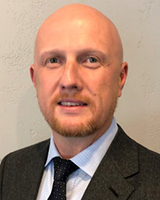
Ian Stedman (Chair)
Associate Professor, School of Public Policy and Administration, York University
Ian is an Associate Professor of Canadian Public Law and Governance at York University. He has obtained an BA (Western), MA in Philosophy (York), LLB (Alberta), LLM (Toronto) and his PhD in Law (Osgoode). Ian serves on the executive of York University’s Centre for AI & Society and Connected Minds CFREF program, and is a legal member on two Research Ethics Board panels at SickKids, including the first-of-its-kind panel dedicated exclusively to data science. As an academic, Ian’s research is largely focused on understanding and advancing the technologies and policies driving greater personalization in healthcare.
Importantly, Ian is a rare disease patient, parent, and advocate. Having formerly served as a board member of the Canadian Organization for Rare Disorders (CORD), Ian now serves as the board chair for the Canadian Autoinflammatory Network and on the Steering Committee for the Canadian Rare Disease Network.
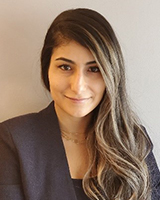
Nika Shakiba (Vice-Chair)
Assistant Professor, School of Biomedical Engineering
University of British Columbia
Dr. Nika Shakiba is an Assistant Professor in the School of Biomedical Engineering (SBME) at the University of British Columbia. Nika received her B.A.Sc. from the Engineering Science program and subsequently completed a Ph.D. under the supervision of Dr. Peter Zandstra, both at the University of Toronto. She conducted her postdoctoral training under the co-supervision of Dr. Ron Weiss and Dr. Domitilla Del Vecchio in the Synthetic Biology Center at Massachusetts Institute of Technology. Through these experiences, she has bridged experiment-to-theory by using genetic technologies to track single cell behaviors, using mathematical models to deconvolve complex datasets, and generating novel predictions. Her training trajectory has instilled in her a scientific philosophy that is rooted in interdisciplinary thinking and collaborations.
Nika’s independent research program is interested in the “social lives” of stem cells: how these cells interact to influence one another’s survival and cell fate decisions, both in culture and embryonic development. Her lab uses systems and synthetic biology to understand the genetic rules that encode cooperative and competitive interactions between stem cells. Leveraging genetic engineering, her lab seeks to program these interactions to drive predictable growth and differentiation outcomes and enable robust bioprocesses for manufacturing stem cell-derived cell therapies.
Nika is committed to training the next generation of biomedical researchers with core expertise that span life sciences and engineering. These scientific leaders will have the know-how to develop cutting-edge technologies, serve as nodes for interdisciplinary collaboration, and tackle fundamental scientific questions. She has co-developed a national workshop brining synthetic biology to stem cell trainees in the Stem Cell Network. Beyond her research and teaching, Nika has been actively involved in outreach, bringing the science and ethics of stem cell research to the general public and youth. As a former national leader for the StemCellTalks symposium for high school students, she co-led a committee that saw the expansion of the event to eight cities across Canada. Nika is also passionate about providing equity in mentorship and multi-directional advice-sharing through her latest project, Advice to a Scientist.

Jehannine C. Austin PhD FCAHS CGC
Professor, UBC Departments of Psychiatry and Medical Genetics
Executive Director, BC Mental Health and Substance Use Services Research Institute
Dr. Jehannine Austin is Executive Director of the BC Mental Health and Substance Use Services Research Institute, and is a Professor in Psychiatry & Medical Genetics at the University of British Columbia. Jehannine is a board certified genetic counsellor and their research work involves studying the impact of genetic counselling for people with psychiatric disorders and their families. They founded the world’s first specialist psychiatric genetic counselling service that has won an award for its impact on patient outcomes, and in addition to peer-reviewed publications, has written a book, and won awards for teaching, leadership, and research.
Jehannine is a member of the College of the Royal Society of Canada, and a Fellow of the Canadian Academy of Health Sciences.

As Vice-President of Research and Innovation (VPRI) at Genome Canada, Dr. Naveed Aziz leads the design and implementation of the organization's research programs, challenges, and initiatives. He plays a pivotal role in contributing to shaping and executing Genome Canada’s vision, mission, strategy, and objectives. With over 20 years of expertise in the field of genomics, Dr. Aziz drives genomic innovation at Genome Canada. He champions mission-driven challenges and strategic initiatives, fueled by a deep interest in leveraging genomics to address global issues and a passion for developing big data generation solutions.
Before his tenure at Genome Canada, Dr. Aziz served as the Chief Executive Officer of CGEn, Canada’s national platform for genome sequencing & analysis with nodes at The Hospital for Sick Children (Toronto), McGill University (Montréal) and Canada’s Michael Smith Genome Sciences Centre (Vancouver). In this role, he facilitated Canadian leadership in both fundamental and applied genomics research. His contributions were instrumental in advancing technological developments and providing solutions to global challenges in health, agriculture, and related sectors. Previously, Dr. Aziz served as the Director of Technology programs at Genome Canada. In this role, he led Genome Canada’s portfolio of technology programs with the primary goal to help create opportunities that promote innovation and develop new national capacity in genomics, big data, and related sciences. He has also served as the Head of Genomics at University of York, UK and as a Research Fellow at the Noble Research Institute, USA. He was awarded the Canadian Association of Research Administrators' 2022 Research Partnership Award, named one of Canada’s Emerging Executive Leaders by adMare BioInnovations and Pfizer in 2018, and profiled as one of Canada’s Top 20 Dynamic CEOs in 2021.

Dr. Mohan Babu, PhD
Chancellor's Research Chair in Network Biology, University of Regina
Professor, Department of Chemistry and Biochemistry, University of Regina
Dr. Babu is a globally recognized leader in systems biology, mitochondrial biology, developmental neuroscience, and microbiology. As the Chancellor’s Research Chair in Network Biology and Director of the MitoSYSTEMS Research Centre for Chronic Disease at the University of Regina, Dr. Babu spearheads cutting-edge research focused on mapping the intricate molecular networks that govern human cells and model organisms. His work has not only advanced our understanding of biology and disease pathogenesis but also identified new therapeutic targets. With over 120 peer-reviewed publications in prestigious journals, Dr. Babu’s research is consistently funded by major agencies including CIHR, NIH, the Simons Foundation, NSERC, and CFI. His contributions to science have earned him multiple accolades, including the SHRF Midcareer Impact Award, the CIHR New Investigator Award, IG Maud Menten new principal investigator prize (finalist), and the University of Regina’s Faculty of Science Research Excellence Award. He has also been honored twice with the University of Regina’s Presidential Recognition for Professional Achievements and Research Excellence. In addition to his academic and research roles, Dr. Babu holds one patent, with another pending, and his research findings have been featured in leading scientific magazines and covered by national media. He brings a wealth of experience in peer review, serving as both a reviewer and panel member for esteemed organizations including CIHR, NSERC, CFI, ERC, MRC, and the Flanders Research Foundation. He also contributes editorial expertise to top-tier journals and has reviewed for some of the world’s most influential scientific publications, including Cell, Nature, and Science. Dr. Babu has played key roles in national scientific organizations, serving as Secretary Treasurer for the Canadian Society of Microbiology and as a board member for the Canadian National Proteomics Network and the Canadian Society for Molecular Biosciences. His research program not only pushes the boundaries of knowledge in systems biology but also provides invaluable training in advanced proteomics, genomics, and bioinformatics for the next generation of scientists.
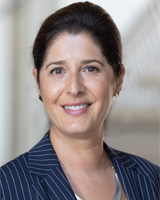
Yvonne Bombard, PhD
Canada Research Chair in Genomics Health Services and Policy
Professor, Institute of Health Policy, Management and Evaluation, University of Toronto
Director, Genomics Health Services Research Program
Dr. Yvonne Bombard is Professor and Canada Research Chair in Genomics Health Services at the University of Toronto. She directs the Genomics Health Services Research Program at St. Michael’s Hospital, Unity Health Toronto. Her work evaluates the outcomes of genomic technologies on patients and healthcare systems, develops digital tools for genomic medicine, and engages patients in health technology assessment. Dr. Bombard is actively involved in international policy advisory committees and serves on the boards of the American Society of Human Genetics and CIHR Institute of Genetics. She has received numerous awards, including a CIHR Foundation grant, 'Rising Star' and Presidential awards from CADTH, CIHR, U of T and the Canadian Cancer Society for her impactful research and policy contributions, for which she has been inducted into the Royal Society of Canada and Canadian Academy of Health Sciences.

Michelle Brazas, PhD
Director, Adaptive Oncology, Ontario Institute for Cancer Research
Scientific Director, Bioinformatics.ca
As Director of Adaptive Oncology, Dr. Brazas leads the effort of this discovery research theme at the Ontario Institute for Cancer Research (OICR) to use molecular, imaging and computational tools to transform cancer care. She plays a key role in managing the strategic planning, funding acquisition, and operational activities across Adaptive Oncology.
Since 2021, Dr. Brazas is also the Scientific Director of Bioinformatics.ca, home to the Canadian Bioinformatics Hub (CBH) - a national bioinformatics training and community building program. She champions bioinformatics capacity building and learning opportunities for the next generation of scientists across Canada through CBH's trainee funding and mentorship programs, partnering with community and career builders, and helping Canada recognize and celebrate its rich talent and research contributions.
She also works to ensure bioinformatics training in Canada remains globally competitive by being actively engaged in international bioinformatics training activities, including as an executive on the International Society of Computational Biology (ISCB), organizer of the Global Bioinformatics Education Summit and as a past executive of the Global Organisation for Learning, Education and Training (GOBLET).
Dr. Brazas completed her PhD in Microbiology at the University of British Columbia and held a research faculty position at the British Columbia Institute for Technology before moving to Toronto.
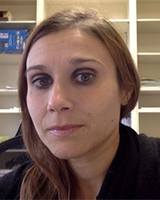
Francesca Di Cara, PhD
Associate Professor
Department of Microbiology and Immunology, Dalhousie University
Francesca Di Cara obtained her Ph.D. at the University of Naples, “Federico II,” Naples, Italy, in 2009. While pursuing her graduate studies, she worked for two years at the University of Edinburgh, funded by the Norman Salvesen Emphysema Research Trust Fellowship. She was then a postdoctoral fellow at the University of Alberta with Dr. King-Jones first and then a research associate with Dr. Richard Rachubinski. In 2018, she started her academic position at the rank of Assistant Professor at Dalhousie University in the Department of Microbiology and Immunology, and she was cross-appointed to the Department of Pediatrics. She is Tier 2 Canada Research Chair in Human Immunology and Host Pathogen Interactions. She is now an Associate Professor. Her research is funded by NSERC, Research Nova Scotia, CIHR, NFRF, NIHR01, MS Canada and Rare Diseases: Models and Mechanism networks. She has published 27 papers in the past six years and has been invited to present her team’s research at 65 Institutions/Conferences since 2018. Her research is focused on immune metabolism. Her team aims to define mechanisms by which lipid metabolism controls immune responses and inflammation, including neuroinflammation. Specifically, her team is interested in defining how peroxisomes, pivotal metabolic organelles present virtually in every eukaryotic cell, recognize and respond to microbial challenges and inflammatory stimuli. Her interest in metabolic pathways in immune responses is based on the growing evidence that many human immune deficiency and inflammatory diseases have defects in metabolic signaling at their source. Her research uses Drosophila melanogaster, mouse models, and human samples to understand the importance of peroxisomes in developing immune disorders, with a special focus on rare diseases.
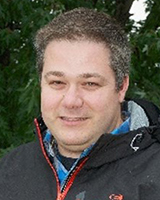
François Gros-Louis, PhD
Professor, Department of Surgery, Faculty of Medicine, Université Laval
Canada Research Chair in Tissue Engineering and Biomodelling of Brain Diseases
Dr Gros-Louis specializes in neurobiology research using cellular, tissue and other in vitro and in vivo models to study human genetic diseases. He also specializes in the genetics of neurological disorders, including amyotrophic lateral sclerosis (ALS), as well as other neurogenetic conditions such as neurofibromatosis, leukodystrophies and neurovascular diseases. He is currently Director of Quebec's induced pluripotent stem cell (iPSC) platform, located at CHU de Québec - Université Laval (Hôpital Enfant-Jésus). Dr Gros-Louis has served, and continues to serve, on a number of committees and boards, including the Canada Foundation for Innovation (CFI).
In a number of scientific publications, he and his team have demonstrated that three-dimensional culture models derived from patients' own cells (personalized models) enable better understanding of the pathological mechanisms underlying the diseases he studies. These personalized, tissue-engineered culture models, or those obtained by differentiation from iPSCs, are intended for clinical use, and are therefore innovative models for basic and applied research. With the help of several collaborators, he has identified mutations and genes responsible for neurodegenerative diseases such as ALS and recessive cerebellar ataxia type 1 (ARCA-1).
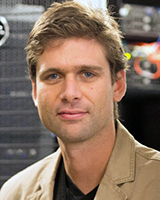
Benjamin Haibe-Kains, PhD
Canada Research Chair in Computational Pharmacogenomics
Senior Scientist, Princess Margaret Cancer Centre, University Health Network
Associate Professor, University of Toronto, Department of Medical Biophysics
Dr. Haibe-Kains is a Senior Scientist at the Princess Margaret Cancer Centre (PM), University Health Network, Associate Professor in the Medical Biophysics department of the University of Toronto, and the Canada Research Chair in Computational Pharmacogenomics. He earned his PhD in Bioinformatics at the Université Libre de Bruxelles (Belgium). Supported by a Fulbright Award, he did his postdoctoral fellowship at the Dana-Farber Cancer Institute and Harvard School of Public Health (USA). Dr. Haibe-Kains started his own laboratory at the Institut de Recherches Cliniques de Montréal (Canada) and moved to PM in November 2013. His research focuses on the integration of high-throughput data from various sources to simultaneously analyze multiple facets of carcinogenesis. In particular, his team is analyzing radiological and (pharmaco)genomic datasets to develop new prognostic and predictive models and to discover new therapeutic strategies with the aim to significantly improve disease management. Dr. Haibe-Kains main scientific contributions include several prognostic gene signatures in breast cancer, subtype classification models for ovarian and breast cancers, genomic predictors of drug response in cancer cell lines, and radiomic prognostic models in head-and-neck cancers. His team is also working towards developing new ways to improve transpârency and reproducibility of computational research. Dr. Haibe-Kains have co-authored 180 lifetime peer-reviewed publications, including 50 (co-)Senior Responsible Author publications (20,000 citations, h-index of 60; source: Google Scholar). His laboratory maintains 31 public genomic datasets and provides 15 open-source software packages that are freely available to the scientific community (BHKLAB).

Victor Martinez, PhD
Assistant Professor, Department of Pathology, Dalhousie University
Dr. Victor Martinez integrates AI and genomics at IWK Health and Dalhousie University. He leads a clinical genomics team implementing AI-powered bioinformatics solutions to enhance patient care, focusing on transforming the diagnosis and treatment of inherited diseases in Atlantic Canada through genome-wide analysis. In addition to his work on AI and genomics, Dr. Martinez conducts research on molecular markers for environmentally induced cancers, utilizing advanced sequencing technologies. He is also involved in developing data governance and strategy frameworks for the IWK's Maritime Centre for Precision Medicine and advocates for in-house genomic sequencing to maintain data sovereignty within Canada. His research contributions have been published in leading scientific journals, including Science, Cancer Discovery, and PNAS.

Neil Merovitch, PhD
Researcher, Faculty of Medicine, University of Toronto
Faculty of Health Sciences, McMaster University
Neil is a research assistant in the Temerty Faculty of Medicine at the University of Toronto and has an appointment at the Faculty of Health Sciences at McMaster University. He earned his HBSc in Biology and MSc in Physiology and Biophysics from Dalhousie University. Subsequently, he completed his PhD in the Neurosciences and Mental Health Program at The Hospital for Sick Children (SickKids) and the University of Toronto. Neil's research has applied genetic approaches to develop models to investigate cellular and molecular mechanisms underlying memory dysregulation in neurodevelopmental disorders. His work has been recognized with awards, including in the field of individualized medicine. Currently, his research interests center around patient partnership in research and advancing precision medicine.
Beyond his research, Neil is actively engaged in promoting accessibility and inclusion. He serves on the SickKids Accessibility Steering Committee and the Equity, Diversity, and Inclusion Committee. He chairs the Access, Accessibility, and Inclusion Employee Resource Group and co-founded the Disability Inclusion Working Group at the Temerty Faculty of Medicine. Neil has also contributed as an instructor in the Family Engagement in Research Program led by the CanChild Centre for Childhood-Onset Disability Research at McMaster University.
Growing up with multiple rare diseases, Neil spent much of his childhood and adolescence in and out of hospitals on the diagnostic odyssey, underwent numerous complex operations, and faced the difficult transition from pediatric to adult care. This journey has shaped his commitment to advancing research, fostering patient engagement, and addressing health equity issues.

Hermann Nabi, PhD, HDR
Assistant Professor of Epidemiology, Department of Social and Preventive Medicine
Scientist, Oncology division at CHU de Québec-Université Laval Research Center
Université Laval
Hermann Nabi is a researcher in the Oncology division at CHU de Québec-Université Laval Research Center and Assistant Professor of Epidemiology at the Department of Social and Preventive Medicine at the Faculty of Medicine of Université Laval. His research focuses on precision medicine's responsible integration into health care, particularly for cancer prevention and treatment. His research program uses an interdisciplinary approach, combining a variety of skills and methodological tools to answer questions that are at the interface of several scientific fields. This approach proposes a new way of approaching translational research through the use of concepts, models and methods in the human and social sciences, epidemiology, public health, health services research, and implementation science. Prior to joining the Center and Université Laval in 2016, Dr. Nabi headed the Research Department of Social and Human Sciences, Epidemiology, Public Health at the Institut National du Cancer (INCa) and was a regular researcher at l’Institut National de la Santé et de la Recherche Médicale (INSERM) in France.
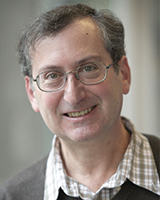
David Rose
Professor, University of Waterloo
David Rose’s career has focused on Structural Glycobiology and Biochemistry. Following a BA from University of Pennsylvania, he completed his DPhil degree at University of Oxford, followed by a postdoctoral fellowship at MIT. In Canada, Dr. Rose spent 7 years at the National Research Council in Ottawa, progressing from Research Associate to Senior Scientist and Group Leader. Recruited to the Ontario Cancer Institute (now Princess Margaret Cancer Centre), he spent 19 years in Toronto studying enzymes involved in glycosylation and glycan processing, particularly ones associated with human diseases such as cancer and nutritional disorders. During that period, he took on positions in academic administration, as Graduate Coordinator and Interim Chair of Medical Biophysics, University of Toronto. Dr. Rose moved to Waterloo to Chair the Biology Department for 2 terms and has served for 12 years as CIHR University Delegate for Waterloo, including on the UD Advisory Committee. He has extensive peer-review experience in several organizations, including as a reviewer and Chair of the CIHR BMA Project committee, and of the SCORE Program-Project committee of the Terry Fox Research Institute. Dr. Rose recently completed a term as President of the American Crystallographic Association.
- Date modified: